
What are Dental implant?
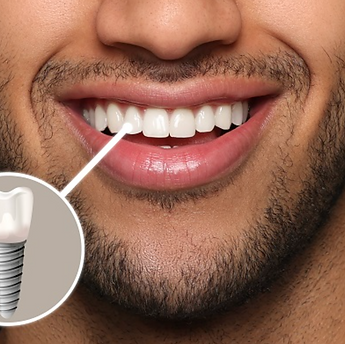
Dental implants are the best long-term solution to restoring missing teeth. Second only to your natural teeth, they’re a life-changing investment in yourself. They empower you to eat and taste food you love, speak and smile comfortably, and have confidence like never before.

The Process
Comprehensive Exam and treatment planning
Implant Placement Surgery: Under local anesthesia (sometimes sedation), the dentist surgically places a titanium implant post into the jawbone.
Healing: The bone grows around the implant in a process called osseointegration, which typically takes 3–6 months. This creates a stable anchor for the crown.
Restoring the smile
-
Once the implant has fused to the bone, a small connector called an abutment is attached to the implant.. The gum tissue is allowed to heal for 1–2 weeks before the final crown is attached.
-
A custom-made crown (tooth) is fabricated to match your natural teeth in shape, size, and color. The crown is then attached to the abutment, completing the restoration.
Maintenance of Implants
-
Regular brushing, flossing, and dental check-ups are essential.
-
Implants can last decades if cared for properly, but gum health is critical to long-term success.
Included with your implant care
-
High Quality Durable Materials
-
Implants made to last a lifetime
-
Industry-leading Warranties
-
Third Party financing

Is it time to get dental implants?
Are you tired of living with pain or missing teeth? Tired of passing up your favorite cut of steak or skipping out on social fun with friends? If tooth loss is ruling your life, dental implants can help you take back control. They function just like your natural teeth. No adhesives. No gels. No more reasons to miss out on life.

Who is not a good candidate for dental implants?
Not everyone is an ideal candidate for dental implants. For individuals who experience or do any of the following, dental implants may not be for you due to challenges you could face with healing, jaw bone density and more.
-
Uncontrolled chronic diseases like diabetes or autoimmune disorders
-
Heavy smokers, or those who consume excessive alcohol
-
Insufficient bone density in your jaw can also make it difficult for implants to properly integrate
-
Individuals undergoing radiation therapy
-
Individuals taking certain medications that affect bone health
-
No matter what you’re experiencing, a thorough evaluation by a dental professional is crucial to determine if you have the necessary oral health, overall health and bone structure to support successful implant placement.
